

The amenities worth paying extra for are the ones that save real time, replace a bigger expense, or hand you something you can't recreate on your own: breakfast on multi-night stays, club lounge access, guaranteed late checkout, airport transfers in tricky destinations, a kitchen for family or long trips, and reliable workspace Wi‑Fi for remote work. The rule that ties them together is simple. Pay when the amenity returns time, replaces an outsized cost, or creates an experience you genuinely can't get elsewhere. Everything else is negotiable.
TL;DR:
- Paying extra for amenities like breakfast, lounge access, or transfers makes sense mainly if they save time or money compared to local options or alternative expenses.
- Breakfast becomes cost-effective when the added nightly rate is less than dining out at a luxury hotel for two over multiple mornings, typically after the second night.
- Lounge access is often a good deal if it combines multiple meals and drinks, especially for couples or business travelers who otherwise pay restaurant prices for every meal.
- Transfers are worth the premium in remote destinations or with complicated logistics, but skipping them is sensible if reliable rideshare services are available at the arrival hub.
- Long stays of five nights or more, families managing dietary needs, or those needing guaranteed late checkout should prioritize kitchen facilities and laundry to save substantial ongoing costs.
Table of Contents
- Hotel Amenities Worth Paying for: The Shortlist
- Hotel breakfast: when included breakfast beats paying daily
- Club or executive lounge access: who should pay for it
- Airport transfers and private transport: when they're worth the premium
- Kitchen or kitchenette: when cooking in your room repays the cost
- Reliable workspace and Wi‑Fi: paying for productivity
- Parking and transport perks: when to pay for on-site convenience
- Laundry access and late checkout: small fees that give back whole days
- Spa, pool, and fitness: pick meaningful experiences, skip the routine ones
- What to skip and how to unbundle resort fees
- How to decide: the checklist and exact booking questions
- Child-friendly amenities and whether they add value for families
- Pet-friendly amenities and associated costs, and whether they're worth it
- Publisher perspective: HeyVacay tips from our team
- How HeyVacay Helps You Avoid Paying for the Wrong Amenities
- Sources
Hotel Amenities Worth Paying for: The Shortlist
Not every add-on deserves your money, but a handful consistently do. Here's the fast version before we get into the math.
- Breakfast (multi-night stays): beats paying restaurant prices twice a day, best for families and couples.
- Club lounge access: often covers three or four meal occasions in one fee, best for business travelers and couples celebrating something.
- Airport transfers: worth it when arrival logistics are complicated or the resort is remote, best for families and first-time destinations.
- Kitchen or kitchenette: pays for itself on stays of five nights or longer, best for families and long-stay travelers.
- Reliable workspace/Wi‑Fi: non-negotiable when a video call is on the line, best for remote workers and business travelers.
- Parking or valet: worth it in dense cities where street parking is a nightmare, best for road-trippers and business travelers.
- Laundry access: cheaper than overpacking or hunting a laundromat, best for long-stay and multi-leg trips.
- Late checkout: turns a dead travel morning into usable time, best for red-eye flights and long-haul departures.
- In-room spa treatment: worth a small premium for privacy and rest immediately after, best for anniversaries and milestone trips.
Hotel breakfast: when included breakfast beats paying daily
Do the math before you dismiss the breakfast upgrade as a tourist trap. Luxury hotel breakfasts ordered à la carte typically run $40 to $80 per person, which means two people eating separately for four mornings can hit $320 to $640. Compare that to an added breakfast rate of $30 to $60 per night for the room, and the break-even point often arrives by night two.
Statistic Callout: A $50 breakfast add-on for two, used for four mornings, costs $200 total against a potential $500+ à la carte tab. The savings alone can cover a cab ride or a museum ticket.
The format matters too. A grab-and-go continental spread is mostly a convenience play, saving you a walk to a coffee shop. A full buffet or à la carte breakfast at a resort with a view, on the other hand, becomes part of the experience, especially on a trip where you're not rushing anywhere.
Club or executive lounge access: who should pay for it
Lounge access tends to get dismissed as a status symbol, but it's really a bundled-meals product in disguise. Most lounges fold in breakfast, afternoon snacks, and evening cocktails or light dinner into one fee, and that changes the math fast.
- Continental breakfast spread each morning
- Afternoon coffee, tea, and light snacks
- Evening drinks and appetizers, sometimes a full happy hour
Statistic Callout: A lounge premium of $50 to $150 per night frequently pays for itself for two people who'd otherwise eat two or three meals out. Club lounge premiums break even fastest for couples who'd otherwise dine at restaurant prices for every meal, and business travelers who need a quiet corner between meetings get outsized value from the dedicated space alone.
Airport transfers and private transport: when they're worth the premium
Hotel-arranged transfers cost more than hailing a rideshare, but the premium buys certainty. In remote resort destinations, unfamiliar countries with language barriers, or trips involving young kids and a mountain of luggage, that certainty is the entire point.
- Sedan transfers commonly run $100 to $300, higher for scenic or private routes.
- Ask whether the fee includes meet-and-greet service at arrivals.
- Confirm the wait policy if your flight is delayed.
- Check whether the transfer is refundable if plans change.
A high-end transfer checklist worth reviewing before booking flags the same core questions: who's meeting you, how long they'll wait, and what happens if your flight is late. Skip the transfer if you're landing at a major hub with reliable rideshare coverage and traveling light.
Kitchen or kitchenette: when cooking in your room repays the cost
A kitchen only pays off under specific conditions, so check before assuming it's a freebie upgrade. It shines for families managing picky eaters, travelers with dietary restrictions who can't rely on restaurant menus, and anyone staying five nights or longer where three restaurant meals a day would blow the budget.
- Confirm actual appliances included (stovetop vs. microwave-only setups vary wildly).
- Check proximity to a grocery store before assuming easy access.
- Estimate savings by comparing a week of groceries against a week of restaurant meals for your group size.
Families weighing a suite against a standard room should also look at how much extra space actually matters for their trip; HeyVacay's guide to family suite hotels breaks down when connecting rooms beat a kitchenette entirely.
Reliable workspace and Wi‑Fi: paying for productivity
"Complimentary Wi‑Fi" and a guaranteed high-speed tier are not the same product. Free hotel internet is often throttled for basic browsing, fine for checking email but unreliable for a video call with a client waiting on the other end.
- Ask for the actual upload and download speeds, not just "high-speed" marketing language.
- Book the paid tier if a work call is non-negotiable on any day of the trip.
- Check whether the room has a real desk or if you'll be working from a bed.
- Ask if meeting rooms or business centers are available for calls that need quiet.
Pro Tip: Run a speed test through the hotel's guest portal the moment you check in. If it's slower than promised, most front desks will comp the paid tier or move you to a room with a stronger signal.
Parking and transport perks: when to pay for on-site convenience
In dense cities, on-site parking often beats hunting for street parking or gambling on a public garage's hourly rate. Valet adds speed and luggage help, worth it when you're arriving exhausted or juggling bags solo.
- Compare the hotel's flat parking rate against nearby public garages before assuming it's overpriced.
- In suburban or resort settings, free self-parking is usually the norm, so a paid upgrade rarely makes sense there.
- Valet earns its fee mainly on late arrivals or when mobility is a concern.
Laundry access and late checkout: small fees that give back whole days
These two get lumped into "minor amenities," but they solve real problems on longer trips. Hotel laundry beats packing a week's worth of clothes or hunting for a laundromat in an unfamiliar neighborhood, especially past the five-night mark.
- Use hotel laundry once a trip crosses one week, since packing light stops being realistic past that point.
- Book guaranteed late checkout ahead of a red-eye flight so your afternoon isn't spent sitting in a lobby.
- Loyalty program members and direct bookings frequently get late checkout thrown in free, so check your status before paying for it.
A guaranteed late checkout is one of the most undervalued upgrades available, because it converts dead travel-day hours into time you can actually use. HeyVacay's breakdown of late checkout fees covers exactly when hotels waive them and when they don't.
Spa, pool, and fitness: pick meaningful experiences, skip the routine ones
A standard hotel gym or pool rarely justifies paying extra. You're not choosing a destination based on a treadmill, and most travelers use these facilities for free anyway.
- In-room spa treatments carry a modest premium over spa-suite sessions but deliver outsized value because you can rest immediately after instead of walking back through a lobby.
- Save the splurge for a signature or destination-specific treatment, not a generic massage you could get at home.
- Skip paying extra for pool or gym access unless it's a rooftop, thermal spring, or another feature you genuinely can't find elsewhere.
What to skip and how to unbundle resort fees
Resort fees exist to make the base rate look lower while quietly shifting cost into a recurring daily charge. Minibar items and in-room bottled water and laundry services are the classic overpriced traps, often marked up several times over what you'd pay a block away.
- Ask for a line-item breakdown of what the resort fee actually covers before booking.
- Look for rate options that exclude packaged extras you won't use.
- Decline bundled add-ons at check-in if they weren't part of your original booking.
A resort fee is only worth paying if the bundled items, like Wi‑Fi, gym access, or bottled water, are things you'd pay for separately anyway. If you wouldn't use half the bundle, it's not a deal.
How to decide: the checklist and exact booking questions
The rule stays the same no matter the amenity: pay when it returns time, replaces an outsized cost, or creates something unique you can't get on your own.
- How often will you actually use it? A lounge visited twice pays differently than one visited daily.
- What's the real cost of the alternative? Compare against local restaurant prices, rideshare fares, or laundromat runs.
- How much time does it save you? Late checkout and transfers are really time purchases.
- Can you cancel or modify it if plans change? Check refund terms before committing.
- Who exactly gets access? Some lounge and pool perks cap at two adults per room.
Before booking, ask the hotel directly: what are the lounge hours, does the transfer fee include a wait-time buffer, and is the amenity refundable separately from the room. Booking channel also sets your ceiling here. Advisor and VIP programs like Virtuoso or Hyatt Privé sometimes bundle breakfast or credits into the rate at no extra charge, so check that before paying for something you might already get free.
Pro Tip: Always run the per-use math: multiply how many times you'll actually use an amenity by the local alternative's price, not the hotel's advertised value. That's the number that tells you whether it's worth it.
Child-friendly amenities and whether they add value for families
Kids' clubs, connecting rooms, and family pools sound like automatic wins, but the value depends entirely on how your family actually travels. A supervised kids' club can be worth real money if it buys parents two uninterrupted hours for a spa treatment or a quiet dinner, effectively functioning as paid childcare with a pool attached.
Connecting rooms or family suites earn their premium mostly on stays longer than three nights, when everyone needs separate sleeping space to actually rest. For a one or two-night trip, a single room with a pullout sofa usually covers it, and paying extra for connecting doors rarely makes sense.
Family pools with shallow ends and lifeguards matter more for parents of toddlers than a fancy adults-only infinity pool ever will, so weigh the amenity against your kids' actual ages, not the marketing photos. Skip paid add-ons like character breakfasts or themed room decorations unless your child will genuinely remember them; those tend to be pure markup with little functional return. The families that get the most value are the ones matching the amenity to their kids' ages and the trip length, not the ones buying every family-branded package on the rate sheet.

Pet-friendly amenities and associated costs, and whether they're worth it
Pet fees have become their own line item, and they vary enormously depending on what's actually included. A flat one-time pet fee that covers cleaning is usually reasonable and worth paying if it means you don't have to board your dog or find a pet sitter for the trip. Compare that fee against a week of boarding costs, and the hotel option often wins outright.
Where it stops making sense is the nightly pet fee that stacks up fast on longer stays, sometimes reaching the cost of an extra room over a week. Ask upfront whether the charge is one-time or nightly before booking, since hotels rarely lead with that distinction in their marketing copy.
Pet-friendly amenities worth paying for include designated walking areas, pet beds and bowls provided in-room, and proximity to a park, all of which save you from packing gear or hunting for green space in an unfamiliar city. Pet-sitting or dog-walking services offered through the hotel can be worth it on business trips where you can't bring your dog along for a full day of meetings. Skip the "pet spa" add-ons and gourmet pet room service menus. Those are novelty charges with almost no functional value beyond a photo for social media.

Publisher perspective: HeyVacay tips from our team
Check the total price, fees included, before comparing amenities across hotels. A cheaper room with a hidden resort fee often costs more than a transparent rate that already includes breakfast. Use HeyVacay's filters to surface rates bundling real perks, and read our take on hotel loyalty programs versus booking sites before assuming the lowest sticker price wins.
— HeyVacay
How HeyVacay Helps You Avoid Paying for the Wrong Amenities
HeyVacay shows you the total price upfront, so a lounge upgrade or breakfast add-on never hides inside an unexplained resort fee later. That's the difference between guessing and actually comparing.
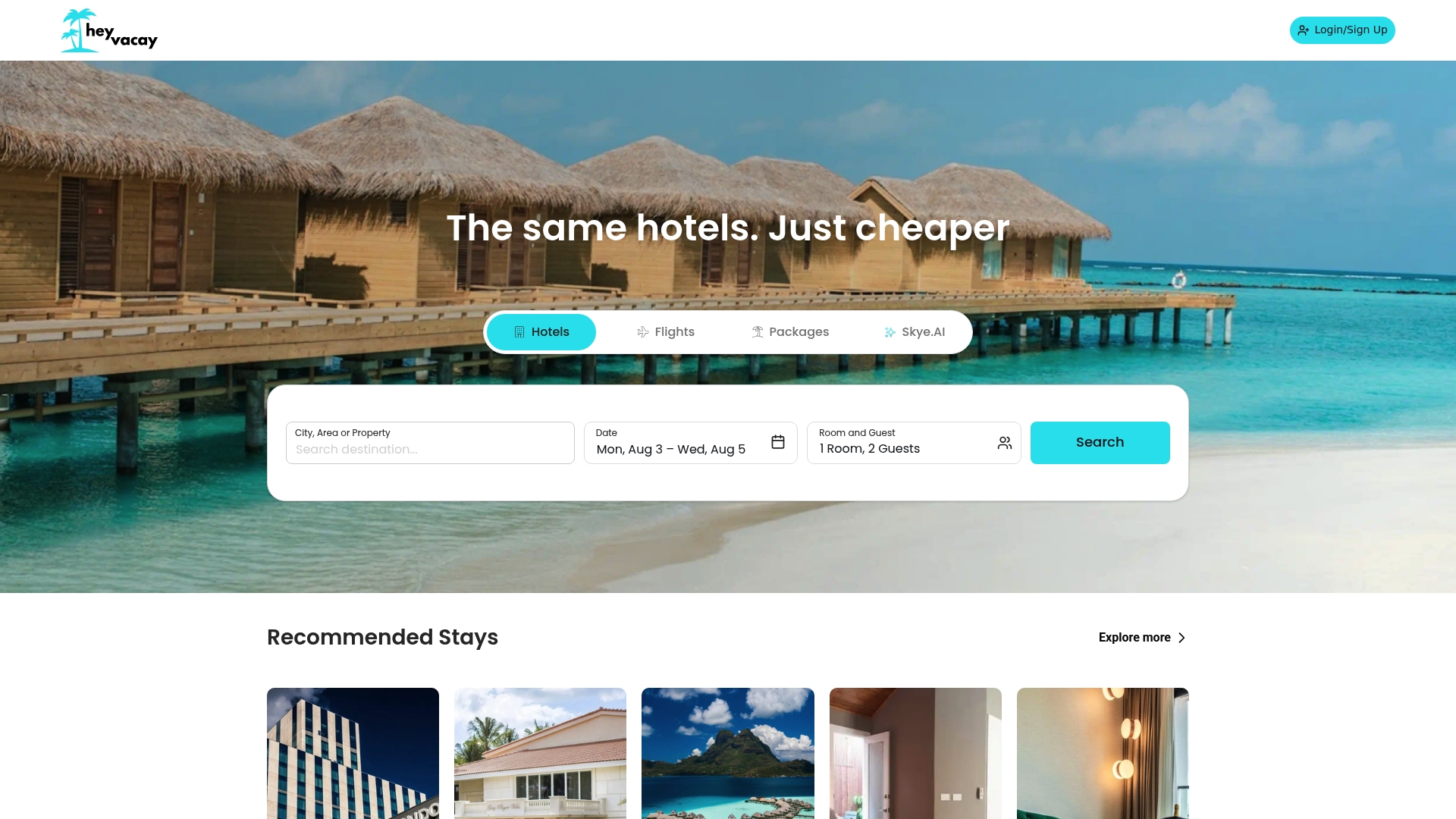
Because pricing stays transparent from search to checkout, you can weigh a $50 breakfast rate against a hotel with no breakfast at all and know exactly what you're paying for either way. Curious how prepayment affects which perks you keep? Our guide on paying now versus paying at the hotel walks through it in plain terms. Start comparing rates on HeyVacay for your next trip and see the full price, fees included, before you book anything.
Sources
- Best Luxury Hotel Amenities Worth Paying Extra For | 50 Best Hotels
- Resort fee — Wikipedia
- Hotel amenities — HBX Group resources