

For most trips, booking 8–14 days out can save money. During peak seasons, international travel often calls for booking 3–6 months ahead. Seasonality, local events and trip type shift those windows. The smartest hedge is to book a refundable rate early, then monitor prices and rebook if a better deal appears.
TL;DR:
- A 2026 Hotels.com report found that booking 8–14 days ahead saved 23% on average versus booking at least four months ahead, especially with flexible dates.
- Festivals, conventions, holiday weeks, and limited room supply can drive rates up months ahead, so check local event calendars before waiting for last minute deals.
- Reserve a refundable rate early, note its cancellation deadline, and monitor prices; rebook only after confirming the new reservation and checking any cancellation cost.
- Last minute deals suit flexible off season trips, but waiting can leave only costly rooms, limited room types, or stricter cancellation terms.
Table of Contents
- What is the best hotel booking time for your trip type?
- Should you book early or wait for a last-minute deal?
- Does the day or hour you book really matter?
- When do the usual timing rules break down?
- How do you hedge a hotel booking?
- What other tactics help you save on hotels?
- How does HeyVacay support timing and price monitoring?
- Which timing strategy fits your traveler profile?
- Ready to put these timing tactics to work?
- FAQ
- Sources
What is the best hotel booking time for your trip type?
The right hotel booking time depends on demand, not a single magic number. A 2026 Hotels.com report, summarized by Frommer's, found that booking 8–14 days before travel can save an average of 23% compared with booking four months or more ahead. That finding fits low-demand markets and flexible dates best. It is not a promise for every city or every weekend.
Here is how the windows tend to break down:
- Short domestic trips: Booking within about two weeks of travel often works when the destination is not in peak season and you can accept whatever rooms remain.
- Typical leisure trips: The best booking window depends on demand, destination and how flexible your dates are. Compare options and consider a refundable rate if you want to keep your choices open.
- Peak-season and international trips: Expedia Group experts told Travel + Leisure that peak seasons often call for booking three to six months ahead for international travel.
- Business travel: Conferences and negotiated corporate rates usually need longer lead times, because meeting weeks fill nearby hotels quickly.
Many short, flexible trips are booked only days ahead, and booking behavior varies by trip type, according to U.S. Travel Association webinar slides. Hotels also adjust rates dynamically as dates approach and rooms remain unsold, so the price you see today is rarely the price you would see next month. That is why trip type and demand matter more than any one rule.
If you want more data on these windows, our post on the best time to book hotels goes deeper.
Should you book early or wait for a last-minute deal?
Hotels cut prices close to the stay date when they have empty rooms to fill. That tends to happen in the off-season and shoulder months, when demand is soft. Waiting can pay off there, especially if you are flexible about the exact neighborhood or room type.
The risks of waiting are real, though:
- Popular dates can sell out entirely.
- Only higher-rate rooms may remain.
- Room types, bed configurations and views narrow down fast.
- Cancellation terms on late deals are often stricter.
Booking early makes sense for peak season, major events and destinations with limited hotel supply. Last-minute works better for off-season trips, short getaways and travelers who can switch cities or dates if prices jump.
Early bookers also get a wider choice of room types and hotels, and refundable rates are easier to find. Late bookers sometimes get the lowest price, but they accept a thinner menu. Our comparison of last-minute versus early booking lays out both strategies side by side, and our breakdown of when hotel prices drop covers the late window in detail.
Pro Tip: Book a refundable rate early, then keep watching. You lock in a room now and still get a shot at a lower price later.
Does the day or hour you book really matter?
Barely. Day-of-week and booking-hour effects can vary, so compare prices for your specific dates instead of relying on a supposed magic booking time. Chasing a "magic" booking time usually costs more attention than it saves in dollars.
Your travel dates matter far more than your booking hour. A Tuesday night often costs less than a Saturday night in the same hotel, regardless of when you click "reserve." Flexibility on dates and a price alert will beat clock-watching almost every time.
Quick tactics that actually move the needle:
- Check mid-week stays against weekend stays for the same hotel.
- Set price alerts so you see drops without refreshing pages all day.
- Compare refundable and prepaid rates, since the cheaper prepaid price may not be worth losing flexibility.
- Shift your arrival or departure by a day and see how the total changes.
Think of booking time as one lever among several. Price monitoring and refundable rates give you control that no specific hour can.
When do the usual timing rules break down?
General rules fail when local demand spikes. Conferences, sports events, festivals and holiday weeks can fill a city's hotels months ahead, no matter what the averages say. Lonely Planet advises checking destination event calendars because these spikes make general timing rules unreliable.
Before you decide to wait for a last-minute drop, run a quick check of the destination. Tourism boards, convention center calendars and stadium schedules are good places to start. If a large event overlaps your dates, assume rooms will tighten and rates will climb.
Cases that call for booking far in advance:
- Major festivals: Music festivals, carnivals and religious celebrations can pull in visitors from around the world.
- Large trade shows and conventions: Attendees often reserve blocks of rooms well ahead, leaving fewer for everyone else.
- Holiday weeks: Thanksgiving, New Year's and school-break weeks create national or regional peaks.
- Limited-supply destinations: Small islands, national park gateways and remote towns have few rooms to begin with.
Hotels and tour operators in these places respond to demand signals early. Partners who work in hospitality explain how market signals show demand before it arrives, which is why prices can climb long before you notice. Activities follow the same pattern: a guide on when to book Iceland tours shows how tours in high-demand windows need earlier reservations too.
When in doubt, book a refundable room first and sort out the details later.
How do you hedge a hotel booking?

Hedging means keeping your options open while still trying to catch a price drop. A fully refundable early booking, followed by monitoring and rebooking if a significantly lower rate appears, is the practical strategy Frommer's highlights. It protects you against sold-out dates and overpaying.
Follow these steps:
- Book a refundable rate early. This locks in a room and removes the fear of missing out. Read the cancellation deadline carefully and note it in your calendar.
- Set alerts and calendar checks. Check prices periodically as your trip approaches. Price alerts can help you spot changes between checks.
- Rebook when the math works. If the new rate saves more than any cancellation cost, or a better room type opens up, book the new one and cancel the old one.
Free cancellation windows reduce your downside because you are never stuck with a rate you no longer like. Flexible policies carry real value for travelers, as this guide to flexible cancellation explains. Always confirm the old reservation is canceled before you rely on the new one.
Pro Tip: Cancel the original booking only after the new one is confirmed in writing. A confirmation e-mail is your proof.
What other tactics help you save on hotels?
Timing is one lever. These tactics lower your total cost alongside it, and they combine well with the hedging steps above.
- Stay mid-week: Nightly rates often dip Sunday through Thursday, especially in leisure destinations.
- Shift dates by a day or two: Moving your arrival or departure can land you outside a pricey weekend or event night.
- Book longer stays: Hotels generally prefer longer reservations and may reward them with lower nightly rates or perks.
- Join loyalty programs: Membership is usually free and can unlock member rates, upgrades and flexible terms.
- Compare refundable and prepaid prices: Advance purchase discounts can be attractive, but non-refundable deals remove your ability to rebook. Weigh the saving against the lost flexibility.
- Mind the dynamic pricing: Rates shift with demand, so checking at set intervals beats random browsing. Our guide on dynamic pricing in hotels shows how to use that to your advantage.
Shoulder-season trips deserve special attention. Booking a month or two ahead often captures good rates without the peak crush, as our piece on shoulder season travel explains.
Combine a refundable booking with a date tweak and a loyalty rate, and you stack several small savings into a noticeable one.
How does HeyVacay support timing and price monitoring?
We built our platform to help travelers compare hotel options. We use AI to compare hotel prices, and we show clear pricing with no hidden fees, so you can judge a deal on its real total.
Here is how we support your timing strategy:
- Price comparison: Our AI compares options so you can see where a rate stands before you commit.
- Flexible booking: You can look for flexible terms so you keep room to rebook.
- Price monitoring: We help you compare hotel rates as you plan your trip.
- Human support: Our team helps with booking and cancellation questions through our help and support page.
For deeper, platform-specific how-tos, our blog covers booking windows, early versus last-minute strategy and dynamic pricing in more detail. Start with our guide to the best time to book hotels if you want the full picture.
Which timing strategy fits your traveler profile?
Your tolerance for risk should drive your timing. If you are risk-averse or planning a critical trip like a wedding, book early and refundable, and treat the price as secondary to certainty. If you are a bargain hunter with flexible dates, lean on monitoring and late-window deals in off-season months. If you are organizing a group, book earlier than feels necessary, because large blocks of rooms vanish first. Match the strategy to the stakes, and the calendar stops feeling like a gamble.
— HeyVacay
Ready to put these timing tactics to work?
When you want to lock in a room and still chase a better rate, we make that easier. Our hotel search brings you:
- AI-driven price comparisons across hotels
- Transparent pricing with no hidden fees
- Hotel search and price comparison
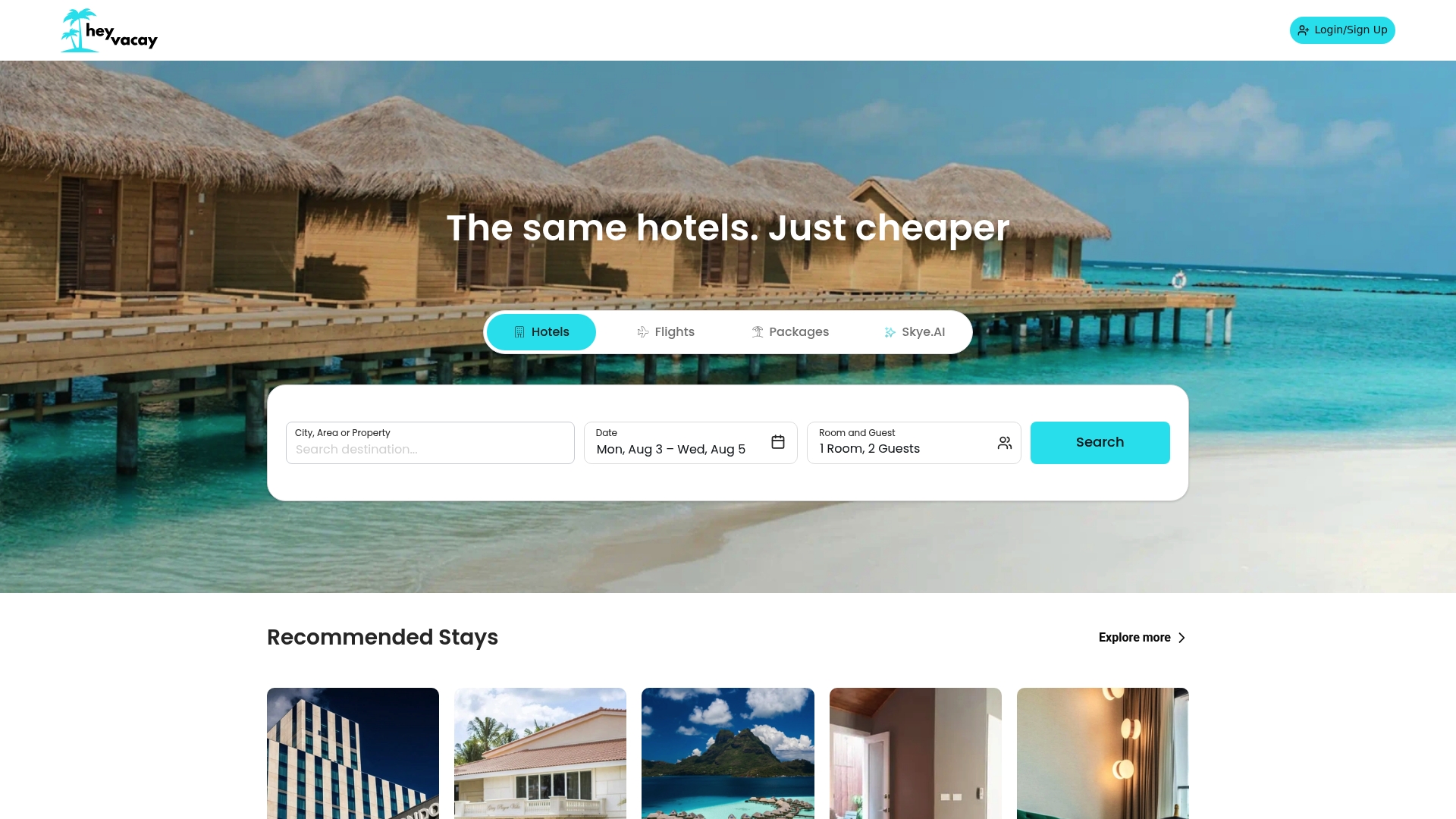
Try our hotel search and see what your dates cost today. Book a refundable room now, and let us help you watch for the drop.
FAQ
Can you book a hotel after 12am?
Yes, most hotels and booking platforms accept reservations around the clock. Late-night bookings usually apply to the same-day or next-day stay, so check which night the reservation covers before you confirm. Rates do not reliably drop at midnight.
What is the 72 hour rule in hotels?
There is no single universal 72 hour rule. Many hotels set their own cancellation deadlines before arrival, so read the policy on your booking. Missing that deadline can mean paying for a night.
How far in advance should you book a hotel?
For many trips, 8–14 days out can save money, according to Frommer's summary of Hotels.com data. A window of two to three months is a safer default, and peak seasons often need three to six months. Check local events before waiting.
Can you check in 15 minutes early to a hotel?
Sometimes, but it is never guaranteed. Standard check-in times exist because rooms need to be cleaned, and early arrivals depend on availability. Ask the front desk ahead of time, or request early check-in in your booking notes.
Sources
- Are We Booking Hotel Rooms Too Far in Advance? | Frommer's
- Maximize Savings: Best Time to Book a Hotel Room