
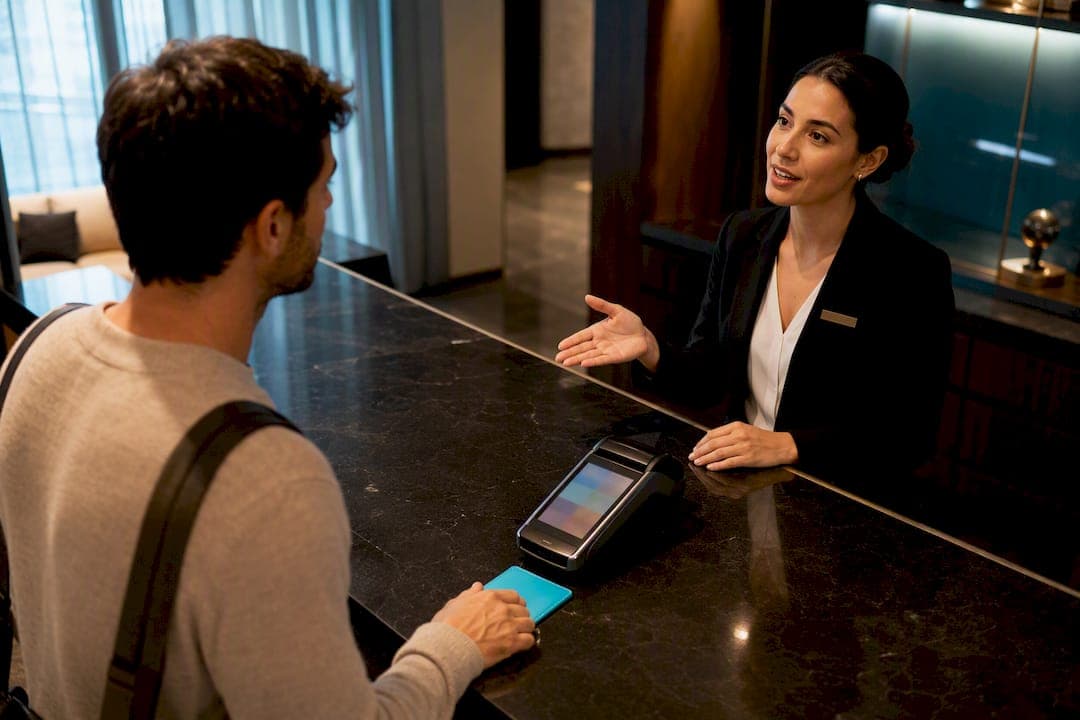
Hotel incidental charges are extra costs added to your room folio beyond the nightly rate and taxes, like minibar snacks, parking, or room service. The single best move to avoid a surprise: ask the front desk exactly how much they're authorizing on your card and what portion covers incidentals, then use a credit card instead of a debit card whenever you can.
TL;DR:
- Hotel incidentals typically range from $25 to $200 per night, with higher holds at upscale resorts and longer stays; always ask for the exact amount before charging.
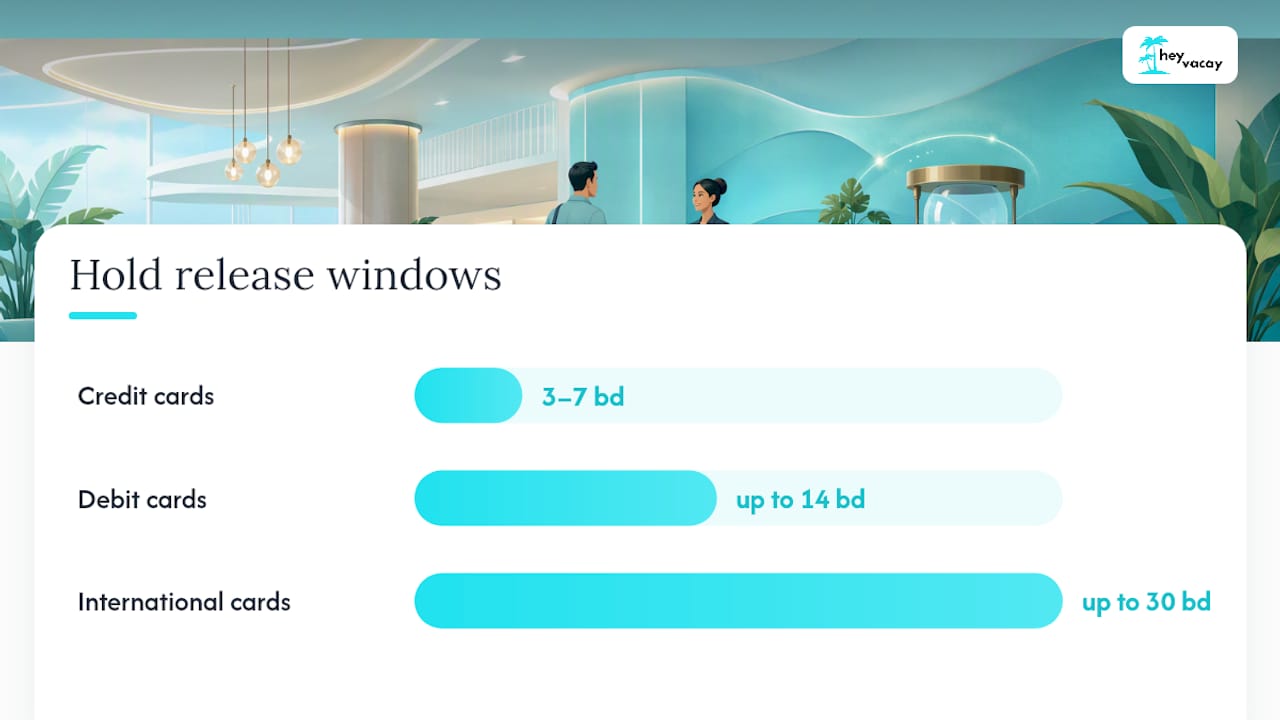
- Holds are temporary authorizations, not actual charges, and they usually take 3 to 7 days to release on credit cards, longer for debit and international cards.
- Using a credit card at check-in minimizes cash flow disruption and offers stronger dispute protection compared to debit cards.
- Discrepancies on your bill can often be corrected on-site if caught early, and formal disputes are limited to 60 days from the statement date.
- Booking platforms that show full, transparent prices before booking help reduce surprise fees, but always confirm incidental hold amounts with the hotel at check-in.
Table of Contents
- What Counts as Hotel Incidental Charges?
- Authorization Hold vs. Actual Charge: What's the Difference?
- Why Hotels Place Incidental Holds
- How Long Do Holds Take to Release?
- Debit Card vs. Credit Card: Which Should You Use?
- Common Incidental Charges and What They Typically Cost
- Your Checklist to Avoid Incidental Charge Surprises
- What to Do If You Spot an Incorrect Incidental Charge
- What the FTC's 2025 Fee Rule Changes for Travelers
- How HeyVacay Helps You Avoid Fee Surprises
- A Traveler-First Take on Incidental Fees
- Book With Clear Pricing From the Start
- Sources
- FAQ
What Counts as Hotel Incidental Charges?
Incidentals are anything you add to your stay after booking that isn't the room rate or its taxes. Marriott's own guest-services documentation defines them as extras posted to the guest folio beyond the base charge, and that definition holds across most major chains and independent properties alike.
Here's where people get tripped up: resort fees and destination fees are not incidentals. Those are mandatory charges baked into your stay regardless of what you use, which is a different animal entirely (worth reading up on separately if you want the full breakdown of resort fee rules).
True incidentals only get charged if you actually use the service. Common categories include:
- Minibar snacks and drinks
- Room service and in-room dining
- Self-parking or valet parking
- Laundry and dry cleaning
- Spa treatments and gym class add-ons
- Pay-per-view movies
- Phone calls billed through the room line
- Premium or upgraded Wi-Fi
- Damage fees or unauthorized smoking penalties
Your folio is the running ledger that tracks all of it in real time, updated every time you charge something to the room. Ask for a copy at any point during your stay, not just at checkout.
Authorization Hold vs. Actual Charge: What's the Difference?
An authorization is a temporary reservation of funds, not a real charge. Your bank sets aside that amount so it's available if the hotel decides to use it, but no money actually moves yet. A charge, or settlement, is the final transaction the hotel submits after your stay, based on what you actually used.
This two-step process is standard across the card networks. Visa's own merchant guidance describes authorization and settlement as distinct events, and recommends that merchants reverse unused authorizations within 24 hours of checkout so your bank can release the hold promptly.
A few things worth knowing about how hotels use this system:
- Hotels often run an estimated authorization at check-in based on your length of stay, then add incremental holds if you charge things to the room.
- You may see both the original hold and the final settled charge on your account at the same time, briefly, before the hold drops off.
- The hold amount and the final charge rarely match exactly. That's normal, not an error.
If your bank statement shows two entries for the same hotel, one is almost always the fading authorization and the other is the real charge working its way through.
Why Hotels Place Incidental Holds
Hotels place holds to protect themselves against unpaid charges and property damage. If a guest trashes a minibar, skips out on room service, or damages a room, the hotel needs a guaranteed way to collect. The hold is that guarantee.
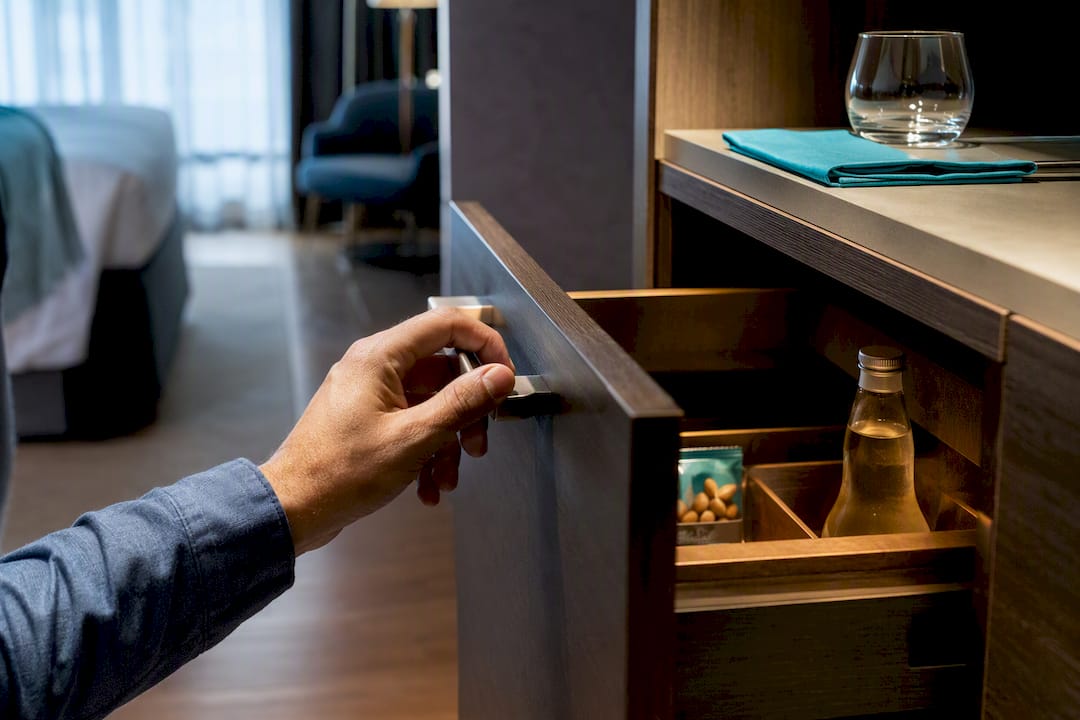
Typical incidental authorizations run between $25 and $200 per night, with the higher end showing up at upscale and resort properties where amenity use tends to run higher. Some properties post their exact hold policy online. Arlo Hotels, for example, publishes per-property hold amounts so guests know the number before they arrive.
Group bookings, longer stays, and luxury properties tend to push holds toward the higher end. Some hotels authorize per night; others authorize a flat amount for the whole stay, then add incremental holds if you keep charging things to the room.
How Long Do Holds Take to Release?
Release timing depends on your card type and your bank, not just the hotel. Once you check out and the hotel releases its hold, your bank still has to process that release on its own schedule.
Credit cards typically see holds drop within 3 to 7 business days, based on Marriott's guidance to guests. Debit cards can take longer, sometimes up to 14 business days or more, because debit holds tie up actual cash rather than available credit. International cards are the slowest of all, with releases sometimes stretching to 30 days depending on the issuing bank and cross-border processing delays.
Part of the delay comes down to matching data. Visa's processing guidance notes that when a merchant's reversal doesn't match the original authorization cleanly, the issuer's release can lag even after the hotel has already let go of the hold.
If your funds are still tied up past the expected window, don't just wait it out. Contact the hotel first and get written confirmation that they released the authorization, including the date and amount. Then call your card issuer with that confirmation in hand. Issuers move faster when you can hand them the exact reversal details instead of asking them to chase it down themselves.
Debit Card vs. Credit Card: Which Should You Use?
Use a credit card at check-in whenever the hotel allows it. A debit card hold ties up real money in your checking account, not borrowed credit, so a $200 hold at a mid-range hotel can mean $200 you can't spend on anything else until the bank releases it. That matters if you're traveling on a tight budget or juggling other payments during your trip.
A credit card hold only reduces your available credit limit, which is far less disruptive if you're not close to maxing out the card. Credit cards also come with stronger dispute protections if something goes wrong, since you're disputing a charge rather than trying to claw back money that already left your account.
If you'd rather sidestep the hold question completely, ask whether prepaying through the hotel or your booking platform reduces or eliminates the incidental authorization. Some properties waive the hold entirely for prepaid, non-refundable bookings, though they may ask for a smaller deposit or a card on file instead. It's worth comparing how prepaying versus paying at the hotel changes your exposure before you book.
Common Incidental Charges and What They Typically Cost
Prices vary widely by market and property class, but a few patterns show up again and again. Resort and destination fees, while technically mandatory rather than incidental, often get mentioned alongside incidentals because guests encounter both at check-in.
These figures shift depending on city, season, and hotel tier, so treat them as a general reference rather than a fixed rulebook. A resort in a major beach destination will land at the high end of every column; a roadside motel usually won't charge several of these at all.
Your Checklist to Avoid Incidental Charge Surprises
A little front-desk diligence saves you a lot of statement confusion later. Work through this checklist before your card ever leaves your hand:
- Ask for the total authorization amount and the incidental portion separately. The front desk can usually break this down; write it down or take a photo of the receipt.
- Get booking disclosures in writing. Screenshot the total price and any fee breakdown you saw when you booked, especially if you're staying somewhere with a history of surprise charges.
- Use a credit card when the hotel allows it, and ask directly whether prepaying lowers or removes the incidental hold.
- Ask the hotel to empty the minibar or disable minibar billing if you know you won't use it. Many properties will do this on request, no questions asked.
- Decline optional add-ons at check-in if you don't want them. Premium Wi-Fi, room upgrades, and late checkout offers are frequently pitched as default options.
- Route charges to a company direct-bill account if you're traveling for work and your employer has that arrangement, which can eliminate personal card exposure entirely.
- Review your folio daily, not just at checkout, so you catch a mischarge while you can still fix it easily.
- Get a zero-balance receipt at checkout confirming nothing is outstanding on your account.
- Photograph the room's condition on arrival, particularly anything already damaged, so you have proof if a damage fee shows up later.
Pro Tip: Ask the front desk clerk to say the authorization total out loud and repeat it back to them before you hand over your card. Verbal confirmation, paired with a photo of the printed receipt, gives you two forms of proof if a dispute ever comes up.
What to Do If You Spot an Incorrect Incidental Charge
Catch it at the desk first. Compare your folio line by line against your own memory of what you ordered and used, and flag anything that looks off before you leave the property. Hotels can usually correct an error on the spot if you catch it before checkout.
If the front desk fixes it, get the corrected folio and a confirmation number or email showing the adjustment. If a staff member refuses to budge and you're staying at a branded property, ask for the corporate guest-relations line. Chains generally have an escalation path separate from the individual property.
If the charge still doesn't get reversed, you have a formal option. Credit card disputes fall under the Fair Credit Billing Act, which gives you 60 days from the statement date to file a written dispute. Your card issuer then has to investigate and resolve it within two billing cycles, capped at 90 days total.
Keep everything: the original folio, the corrected version, email confirmations, and your room photos. If the issuer's resolution still doesn't satisfy you, the Consumer Financial Protection Bureau and your state attorney general's office both accept consumer complaints about billing disputes.
What the FTC's 2025 Fee Rule Changes for Travelers
The Federal Trade Commission's Rule on Unfair or Deceptive Fees took effect May 12, 2025, and it changed how hotels have to show prices. Any mandatory fee the hotel knows about and can calculate in advance, like resort fees, now has to appear in the total price shown during advertising and booking, not tacked on at the end.
Optional incidentals are treated differently. Hotels can still leave them out of the advertised total, but they have to disclose them clearly before you agree to pay. Practically, that means you should see the full mandatory total upfront when you search, and a clear disclosure link or checkbox before any optional charge gets added to your reservation. If a listing buries fee information or shows a price that jumps significantly at checkout, that's worth questioning before you book.
How HeyVacay Helps You Avoid Fee Surprises
Some travel booking platforms aim to make hotel pricing transparent with no hidden fees, using technology to present luxury and budget properties at competitive rates, without hiding mandatory charges in fine print.
That transparency handles half the problem. The other half is still on you at check-in. Even booking through a platform that discloses fees clearly, confirm the incidental authorization amount with the front desk and ask what triggers additional holds. Combining a transparency-minded booking process with that one habit closes most of the gap where incidental surprises tend to happen.
A Traveler-First Take on Incidental Fees
Most of the confusion around incidental charges isn't malice, it's mismatched expectations between three separate systems: the hotel's policy, the card network's processing rules, and your bank's own release schedule. Nobody explains that upfront, so guests assume the hotel controls timing it actually doesn't. HeyVacay's position is simple: the fewer questions you have to ask at check-in, the better the booking experience was in the first place. Read the fee disclosures before you book, not after.
— HeyVacay
Book With Clear Pricing From the Start
Certain booking platforms show the full price before you commit, helping you avoid guesswork about which charges are mandatory and which are optional add-ons at checkout, offering a clear single price for multiple hotel options.

That clarity doesn't replace the front-desk conversation about incidental holds, but it removes one layer of guesswork before you even arrive. If you're planning your next trip, search hotels on HeyVacay and see the full price upfront before you book.
Sources
- What Is an Incidental Hold? — Marriott
- Authorization reversals (Visa merchant guidance)
- Rule on Unfair or Deceptive Fees — FTC guidance
FAQ
Do Hotel Incidental Charges Get Refunded?
Incidental holds aren't charges in the first place, so there's nothing to refund if you didn't use any paid services. The authorization simply releases back to your available balance once the hotel confirms checkout and your bank processes the release.
How Can I Avoid Hotel Incidental Charges?
Ask the front desk for the exact incidental hold amount at check-in, decline optional add-ons you don't want, and request that the minibar be emptied or disabled if you won't use it. Using a credit card instead of a debit card also reduces the practical impact since it affects your credit limit, not your cash on hand.
How Long Does It Take to Get Incidentals Back From a Hotel?
Credit card holds typically release within 3 to 7 business days after checkout, according to Marriott's guest guidance. Debit cards can take up to 14 business days, and international cards sometimes stretch to 30 days depending on the issuing bank.
How Much Do Hotels Hold for a Deposit?
Most hotels authorize between $25 and $200 per night for incidentals, with resort and upscale properties tending toward the higher end. Some properties charge a flat per-stay hold instead of a per-night amount, so it's worth asking which method your hotel uses.
Does HeyVacay Show the Full Price Before I Book?
HeyVacay is built around transparent pricing with no hidden fees, showing you the total cost upfront rather than adding mandatory charges at checkout. Current rates and availability are shown directly on the HeyVacay hotel search for each property.